
In recent periods, global oil prices have experienced noticeable increases. Because oil is one of the most important commodities in the world economy, even small changes in its price can have significant effects. For Brazil, a country that both produces and consumes large amounts of oil, the impact can be complex, bringing both challenges and opportunities.
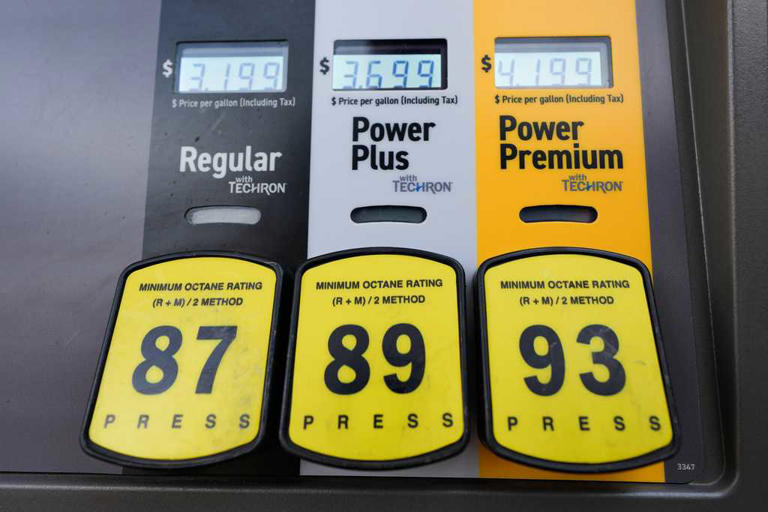
Photo by: Tony Gutierrez/AP
Why Oil Prices Spiked
Several key factors usually contribute to sudden increases in oil prices-
Main Factors Behind the Oil Price Spike
1. Geopolitical Tensions
One of the main reasons oil prices increase is political instability in oil-producing regions. Conflicts or tensions in areas such as the Middle East can create fear of supply disruptions. When markets believe oil production or transportation could be affected, traders react by pushing prices higher.
2. Production Cuts by Oil Producers
Production decisions made by oil-exporting countries also strongly influence prices. Groups such as OPEC coordinate oil output among major producers. When these countries reduce production, the global supply becomes tighter, which tends to increase prices.
3. Rising Global Demand
As economies grow and industrial activity increases, demand for energy rises. More transportation, manufacturing, and travel require more fuel. When demand grows faster than supply, oil prices tend to climb.
How This Impacts Brazil
Higher Fuel Prices
When oil prices rise globally, fuel prices in Brazil often increase as well. This happens because the pricing policies of Petrobras are influenced by international oil prices.
Inflation Pressure
Higher diesel and gasoline prices increase transportation costs. Since Brazil depends heavily on road transportation for moving goods, rising fuel prices can lead to higher prices for food and other products.
Benefits for Oil Exports
At the same time, Brazil can benefit from higher oil prices because it exports significant amounts of oil. When prices increase, revenues from offshore production, especially from the pre-salt fields, can grow, generating more income for the government and the energy sector.
Conclusion
Oil prices have risen mainly due to geopolitical tensions, production cuts by major oil producers, and increasing global demand. For Brazil, the impact is mixed: consumers may face higher fuel prices and inflation, but the country’s oil industry and exports can benefit from stronger global prices.